
What is Sports Medicine?
Sports Medicine, also known as sports and exercise medicine (SEM), is a branch of medicine that deals with the treatment and prevention of sports and exercise-related injuries and improving fitness and performance. The main objective of sports medicine is to help individuals engage in sports and exercise in a safe and effective manner to accomplish their training goals.
A sports medicine team may comprise medical and non-medical specialists, such as physicians, surgeons, athletic trainers, physical therapists, sports psychologists, nutritionists, coaches, and personal trainers. Most sports medicine physicians deal with non-operative musculoskeletal conditions. Others are orthopedic surgeons who have decided to focus their practice on the surgical treatment of sports injuries.
Sports medicine is not a medical specialty in itself. Most sports medicine doctors are certified in internal medicine, emergency medicine, family medicine, orthopedics, or another specialty and then acquire additional training with a 2-year fellowship in sports medicine to be certified as a sports medicine specialist.
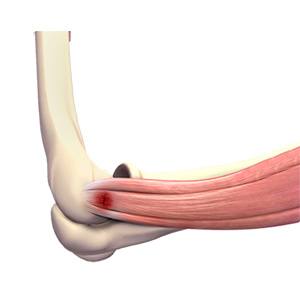
Sports Injuries
Sports injuries are injuries sustained by athletes or active individuals while playing indoor or outdoor sports such as football, basketball, baseball, hockey, tennis, or while exercising. Sports injuries may result from accidents, poor training practices...
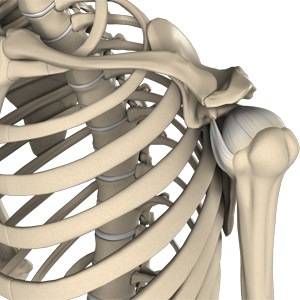
Shoulder
The shoulder is the most flexible joint in the body that enables a wide range of movements including forward flexion, abduction, adduction, external rotation, internal rotation, and 360-degree circumduction. Thus, the shoulder joint is considered the most insecure joint of the body...
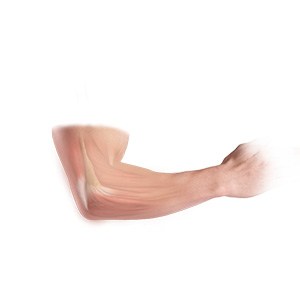
Elbow
The elbow is a complex joint formed by the articulation of three bones – the humerus, radius, and ulna. The elbow joint helps in bending or straightening of the arm to 180 degrees and lifting or moving objects.
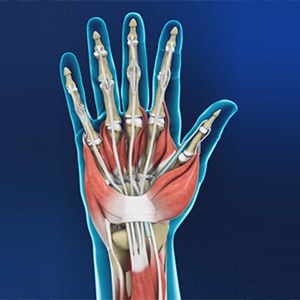
Hand & Wrist
The human hand is made up of the wrist, palm, and fingers and consists of 27 bones, 27 joints, 34 muscles, over 100 ligaments and tendons, and many blood vessels and nerves. The hands enable us to perform many of our daily activities such as driving, writing and cooking.
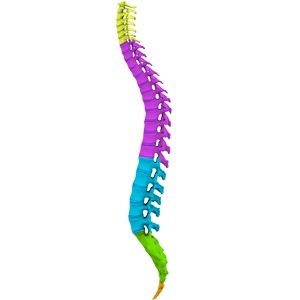
Spine
The spine also called the backbone, is made up of vertebral bones with cushioning intervertebral discs between them. The spine is designed to give us stability and smooth movement, as well as providing a corridor of protection for the delicate spinal cord.
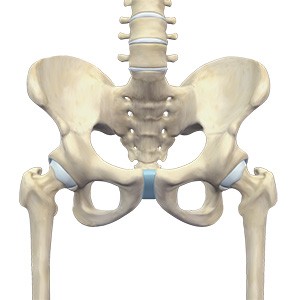
Hip
The hip joint is the largest weight-bearing joint in the human body. It is also referred to as a ball and socket joint and is surrounded by muscles, ligaments, and tendons. The thigh bone or femur and the pelvis join to form the hip joint.
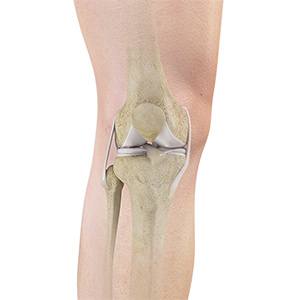
Knee
The knee is a complex joint made up of different structures - bones, tendons, ligaments, and muscles. They all work together to maintain the knee’s normal function and provide stability to the knee during movement. Having a well-functioning healthy knee...
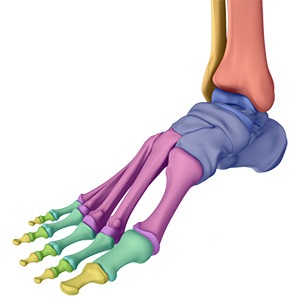
Foot & Ankle
The foot and ankle form complex joints that are involved in movement and providing stability and balance to the body. The foot and ankle consist of 26 bones, 33 joints, and many muscles, tendons, and ligaments.
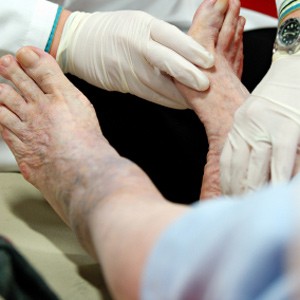
Musculoskeletal Evaluations
A musculoskeletal evaluation is a physical examination performed by your doctor to assess the health of your bones, joints, muscles, ligaments, tendons, cartilage and other associated tissues that are part of the musculoskeletal system.

Anti-inflammatory Medication for Sports Injuries
Nonsteroidal Anti-Inflammatory Drugs (NSAIDs) are among the most commonly used medications for managing pain and reducing inflammation associated with sports injuries. Some popular NSAIDs include ibuprofen (Advil, Motrin), naproxen (Aleve, Naprosyn), and aspirin.
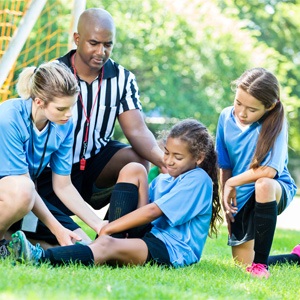
Adolescent Sports Injuries
Adolescent sports injuries are injuries that occur in children between 10 and19 years of age most commonly during sports and exercises. These injuries may result from accidents, poor training practices, use of improper protective gear, lack of conditioning, and insufficient warm-up and stretching.
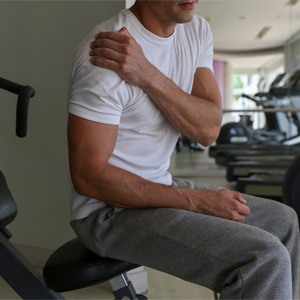
Active Adult Gym Injuries
Gym injuries refer to musculoskeletal trauma or overuse conditions that occur during physical training in gyms and fitness centers. These injuries can range from mild strains to severe tears and fractures. They often affect individuals who use improper workout techniques, skip warm-ups, or train with excessive intensity.
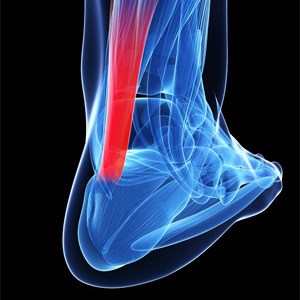
Tendon Microsurgery
Microtenotomy is a minimally invasive tendon surgery used primarily for treating chronic tendinopathies (like lateral epicondylitis, Achilles tendinosis, or rotator cuff tendinosis) that have not responded to conservative treatments.
Zone One Training
Zone One training refers to low intensity aerobic activity, typically performed at around 50-60% of your maximum heart rate. This is the range where you can carry on a conversation comfortably, breathe steadily, and more consistently without straining yourself. It’s walking at a brisk pace, leisurely cycling, or even light jogging. Exercise that feels sustainable for a long period of time.


