
What is a Concussion?
A concussion is a brain injury that is transient (not permanent). While scientists have varying definitions, the clinically important concept is that the function of the brain is impaired after trauma to varying degrees of severity and in varying regions of the brain leading to presentations that are not always the same from one person to another and from one injury to another. It may happen due to direct impact to the head or even in the absence of direct head contact from sudden jerking movements of the head after a force to the body.
Appropriate treatment and allowing the brain time to heal is important in reducing the risk of chronic brain injury. It is also important to consider an athlete’s overall exposure to head contact to gauge risk of brain damage.
The most widely adopted definition of sports related is concussion is from the Concussion in Sport Group 6th International consensus:
“Sport-related concussion is a traumatic brain injury caused by a direct blow to the head, neck or body resulting in an impulsive force being transmitted to the brain that occurs in sports and exercise-related activities. This initiates a neurotransmitter and metabolic cascade, with possible axonal injury, blood flow change and inflammation affecting the brain. Symptoms and signs may present immediately, or evolve over minutes or hours, and commonly resolve within days, but may be prolonged.
No abnormality is seen on standard structural neuroimaging studies (computed tomography or magnetic resonance imaging T1- and T2-weighted images), but in the research setting, abnormalities may be present on functional, blood flow or metabolic imaging studies. Sport-related concussion results in a range of clinical symptoms and signs that may or may not involve loss of consciousness. The clinical symptoms and signs of concussion cannot be explained solely by (but may occur concomitantly with) drug, alcohol, or medication use, other injuries (such as cervical injuries, peripheral vestibular dysfunction) or other comorbidities (such as psychological factors or coexisting medical conditions).”
Symptoms of Concussion
The general symptoms of concussion are:
- Headache
- Nausea
- Dizziness
- Drowsiness
- Tiredness
- Sleep disturbances
- Vision problems
- Concentration difficulties
- Depressive mood
- Nervousness and anxious
- Memory loss
- Temporary unconsciousness (for about a minute)
- Sensitivity to light and noise
- Loss of balance
- Not feeling right
- Fogginess
- Depression or Anxiety
- Exacerbation of underlying neurological disorders such as ADD
Symptoms that require immediate medical intervention (see Red Flags) include:
- Severe headache
- Seizures
- Loss of consciousness
- Disorientation
- Neck pain or tenderness
- Double vision
- Weakness or tingling in more than one arm or in the legs
- Visible deformity of the skull
- Increasing restless, combative or agitated
Diagnosis of a Concussion
To determine the impact of the injury, your doctor may ask questions about the incident, perform a thorough physical examination, neurological examination, cognition tests, and imaging studies.
Neurological examination includes testing of
- Eye movement
- Reflexes
- Hearing
- Vision
- Strength
- Balance
Cognitive testing includes testing of
- Memory
- Concentration
- Learning ability
- Thinking ability
- Processing of information
Diagnostic imaging tests include:
- MRI scan of Brain
- X-rays to evaluate the cervical spine.
Columbia Scientists Get Head Start on New Concussion Diagnostic
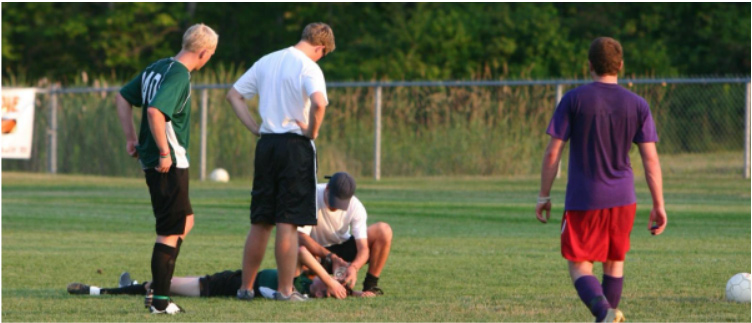
Image Courtesyhttps://www.cuimc.columbia.edu/news/columbia-scientists-get-head-start-new-concussion-diagnostic
Treatment of Concussions
The treatment may involve the following measures:
- Getting plenty of sleep during the night as well as taking a nap (<30 minutes) during the day.
- Limit activities that can stress your mind such as computer screens, phones, tablets.
- Subsymptom threshold aerobic exercise involves performing aerobic activities, utilizing heart rate monitor, at an intensity level that does not worsen concussion symptoms.
- Taking prescribed medications/supplements for symptomatic relief.
- Treating the neck with rehabilitation and modalities such as ice, heat, electric stimulation, massage.
- Autonomic nervous system retraining
- Nutrition: Whole foods can provide the necessary nutrients to reduce inflammation, support brain health, and promote overall recovery.
Other Sports Concussion Topics


